

Glove Change During Surgery: When and Why
Surgical-site infections (SSIs) are a preventable post-operative concern that put patients at a higher risk for delayed wound healing, complications, and even mortality.


CHOOSE YOUR COUNTRY / REGION


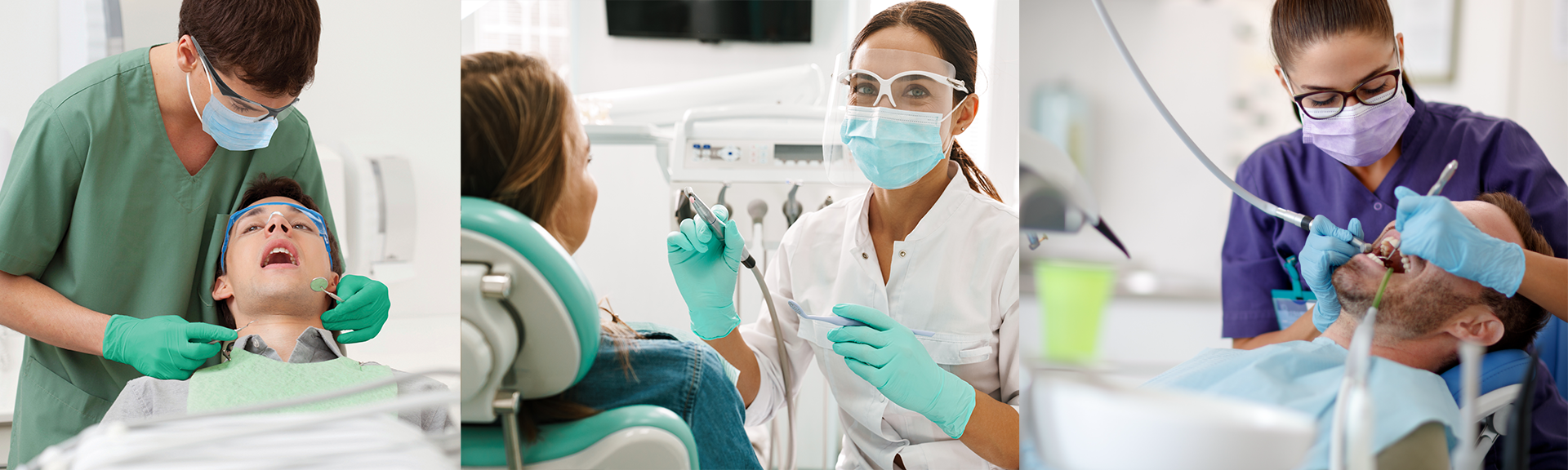
The prevalence of these musculoskeletal disorders (MSDs) among dentists, dental students and dental hygienists can range from 64-93%.1 Out of all oral healthcare professionals, dental hygienists are the most affected by MSDs.1
Musculoskeletal disorders (MSDs) affect dental practitioners and often are one of the main reasons for them to retire early.2
Work-related musculoskeletal disorders (WRMSDs) affect the muscles, nerves, blood vessels, ligaments, joints, and tendons. Most WRMSDs develop over time, and they can progress from mild to severe disorders. These disorders are seldom life threatening, but they impair the quality of life of a substantial proportion of the adult population.3
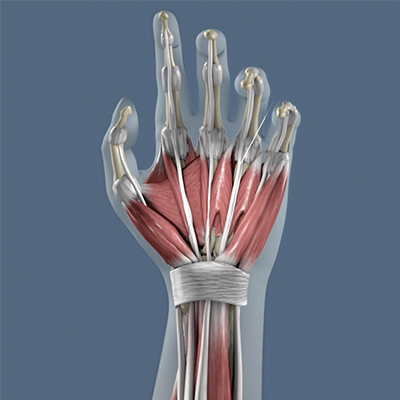
PHYSICAL IMPACT OF WEARING GLOVES
Increased thickness, reduced elasticity and subsequent rigidity may cause hand fatigue and potential MSDs in dental providers’ when these gloves are worn for extended periods of time due to increasing:

EVOLUTION OF ERGONOMICS AND MEDICAL GLOVES
New innovative ergonomically designed and certified glove solutions have proven to help reduce muscle strain and improve muscle performance in the hand, wrist, and arm. They can minimize the risk of injury, meet regulatory compliance, improve practice performance, and increase safety. An easy hand injury prevention strategy to implement!
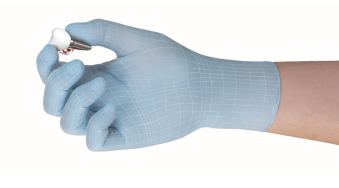
Watch AnsellCARES Partners in Protection Webinar, Mind Your Body - Preserve Your Career: The Importance of Ergonomics in Dentistry by Mary Govoni. Mary brings 50+ years of experience in dentistry as a Certified Dental Assistant and Registered Dental Hygienist, with both clinical and administrator experience in general and specialty practices.
WATCH NOWDownload the full InTouch newsletter on Ergonomics in Dentistry written by Patty Taylor RN, BA who is a clinical consultant in the medical device industry. Patty has been an active member of professional associations and networking groups for more than 30 years, she has focused on perioperative nursing, infection control, business development, marketing, and education.
DOWNLOAD
REFERENCES:
1. Goodchild J. Musculoskeletal Disorders in Clinical Dentistry: How Technology Can Safeguard Your Dental Team. Dentistry Today. April 2019. www.dentistrytoday.com/musculoskeletal-disorders-in-clinical-dentistry-how-technology-can-safeguard-your-dental-team/
2. Gupta A, Bhat M, Bansal N, Gupta G. Ergonomists in Dentistry. Int J Clin Pediatr Dent 2014:1(1):30.
3. Valachi B. Getting the Upper Hand on Pain: Preventing Hand and Wrist Pain Syndromes in Dental Professionals. A Peer-Reviewed Publication. https://dentalacademyofce.com/courses/1878/pdf/handandwristpain.pdf.
4. Khanagar S, Rajanna V, Naik S, Jathanna VR, Kini PV, Reddy S. An Insight to Ergonomics in Dental Practice. I J Pre Clin Dent Res 2014;1(2): 35-40.
5. Dianat I, Haslegrave M, Stedmon A. Using pliers in assembly work: Short and long task duration effects of gloves on hand performance capabilities and subjective assessments of discomfort and ease of tool manipulation. Applied Ergonomics 2012; 43(2):413-423.


Surgical-site infections (SSIs) are a preventable post-operative concern that put patients at a higher risk for delayed wound healing, complications, and even mortality.
The CDC estimates that about 385,000 sharps-related injuries occur annually among healthcare workers (HCWs) in hospitals.
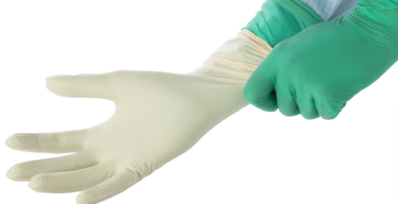
Wearing two pairs of sterile gloves during surgery is a practice healthcare workers (HCWs) use to reduce risk of exposure to bloodborne pathogens and sharps safety protection. Learn more about Professional Standards on Double Gloving!
