


The Impact of Skin Dryness on Veterinary Practice
Examine recent solutions in preventing underlying occupational skin disease in veterinary practice.


CHOOSE YOUR COUNTRY / REGION


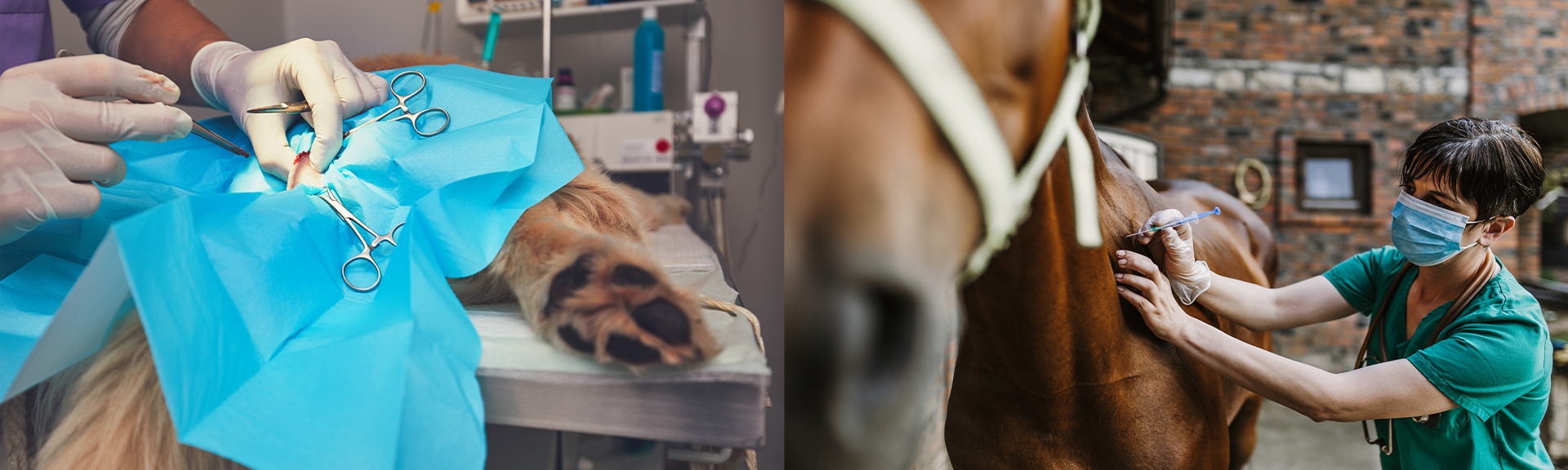
Veterinarian practice involves complex procedures and requires a wide range of medical expertise. Occupational hazards affecting veterinary practice include physical, chemical, and biological risks.
Veterinarians are at greater risk of injury due to the following reasons:
Often encounter large and uncooperative animals (e.g., bites, scratches, kicks, transport and turning, etc.)
Face adverse workplace chemical exposure including formaldehyde, anesthetics, pesticides, allergens, and chemotherapeutic agents
Animals can transmit zoonotic infections. Among these, biological risks are particularly important, mostly because the nature of zoonoses can be highly infectious and deadly
Use of personal protective equipment (PPE), adequate knowledge of occupational and transmissible diseases, vaccination, proper hand hygiene and environmental cleaning all provide protection from many physical, chemical and biological hazards.
| Find solutions to protect staff, pets, and pet lovers alike |
|
SUMMARY APPLICATION GUIDE FOR |
|
|
|
|
To review full product portfolio of Surgical Gloves:
|
To review full product portfolio of Exam Gloves: |
REFERENCES
1.  Animal Health Products. www.ansell.com. Accessed November 8, 2022. https://www.ansell.com/gb/en/medical/professions/animal-health/products?filter=ProductType.eq.surgical+gloves&page=1&page_size=10&sort=IsBestSeller&sort_type=desc
2. Animal Health Products. www.ansell.com. Accessed November 8, 2022. https://www.ansell.com/gb/en/medical/professions/animal-health/products?filter=ProductType.eq.medical+exam+gloves&page=1&page_size=10&sort=IsBestSeller&sort_type=desc


Examine recent solutions in preventing underlying occupational skin disease in veterinary practice.
Surgical-site infections (SSIs) are a preventable post-operative concern that put patients at a higher risk for delayed wound healing, complications, and even mortality.

The CDC estimates that about 385,000 sharps-related injuries occur annually among healthcare workers (HCWs) in hospitals.